CEPI is establishing the Biospecimen Sourcing Initiative (BSI) to help facilitate the timely and ethical collection of biological samples —such as blood, saliva, and tissue specimens— in an outbreak. By supporting ongoing global efforts and stepping in where gaps still exist in the biorepository ecosystem, the BSI aims to make biospecimens available to develop assays and standards within weeks, compared to the six months or more it typically takes today. This could make a vital contribution towards the 100 Days Mission, a global goal spearheaded by CEPI to develop vaccines within just 100 days after a new virus is identified.
To support this effort, the BSI will provide harmonised global guidance for developers, including template documents that ensure the highest standards are met in ethics, safety and logistics to provide consistent and rapid acquisition, storage and sharing of survivor samples. Read more here: Faster outbreak survivor sample collection can help stop pandemics in their tracks
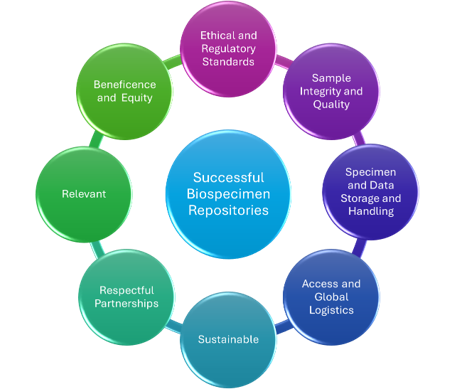
How the BSI will work:
Rebuilding biospecimen collection systems from scratch every time they are needed slows progress and weakens outbreak response. PATH is helping establish the BSI, which will eventually operate under CEPI’s guidance, to create a faster, more consistent, more equitable, and easier-to-use system.
Using key characteristics of other successful biospecimen repositories as a guide, CEPI is instituting the BSI as a vetted and accessible framework of processes and procedures to rapidly source, verify, archive and distribute specimens during an infectious disease outbreak or epidemic. The BSI will also align with best practices set by World Health Organization initiatives, as well as ongoing work by Africa CDC.
Pressure-testing the BSI framework
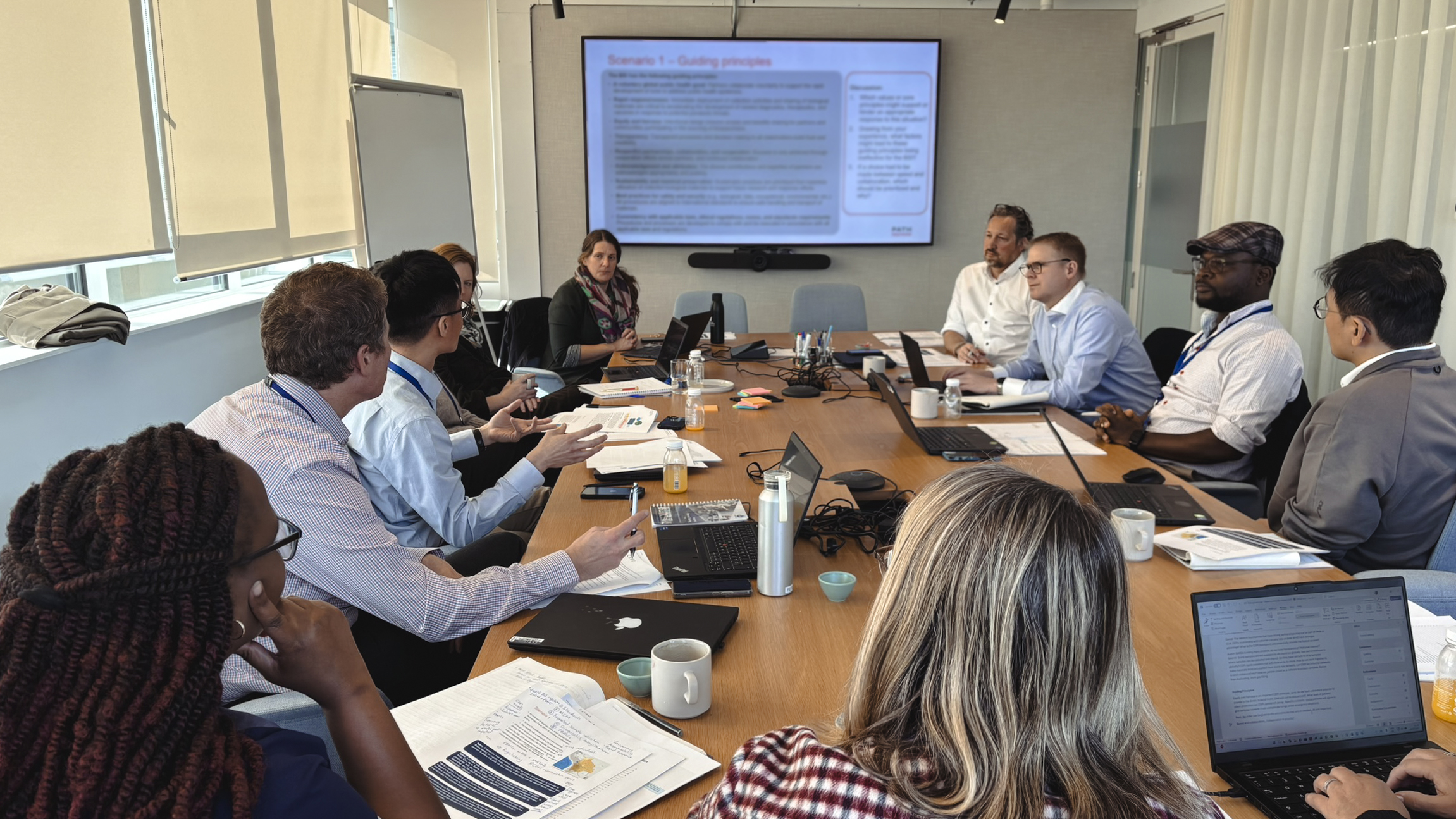
Testing and evaluating the implementation of the BSI using simulated scenarios to gather user insights is a key part of the process. CEPI and PATH held an initial testing event in London in October 2025, the first step in evaluating the BSI’s vision and planned structure. It also provided an opportunity to validate proposed BSI processes—such as determining whether an outbreak necessitates a sample collection activity or defining a rapid, feasible decision-making structure to collect samples—and identify areas for improvement. Importantly, the testing event highlighted that the BSI will only achieve rapid response through effective collaboration.
PATH and CEPI team members participate in a simulation exercise to test the design and development of the BSI. Photo: CEPI
Upcoming testing events
CEPI and PATH are holding two additional testing events to prepare for the BSI’s launch:
To focus on guidance documents, processes, and management of the BSI with technical coordinating partners and Centralized Laboratory Network (CLN) partners.
To broadly cover specimen collection, storage, and use with implementation/collection partners.
Moving towards launch
By mid-2026, CEPI expects to have fully established the BSI governance structure and processes to guide its operationalisation, as well as validated the documents library of procedures/templates for all partners. Once this set-up is complete, CEPI plans to map out high-quality biobanks worldwide that could collaborate through this initiative and use the BSI’s guidelines and procedures in preparation for future outbreaks.
The formal launch of the BSI will involve introducing the initiative to the biorepository ecosystem through key meetings, presentations, and other outreach opportunities. Moving forward, CEPI will lead the BSI as an active network of global biorepositories to advance scientific readiness for outbreak response.
The establishment of the BSI will ultimately reduce the time it takes for researchers to access samples willingly provided by the survivors of epidemic outbreaks. This will lay the foundation for faster, more effective development of new vaccines, treatments, and diagnostics in an outbreak, to help save lives and reduce the impact of epidemic threats.

 CEPI is establishing the
  How the BSI will work: